Welcome to Satara City – The City of Hills and Heritage
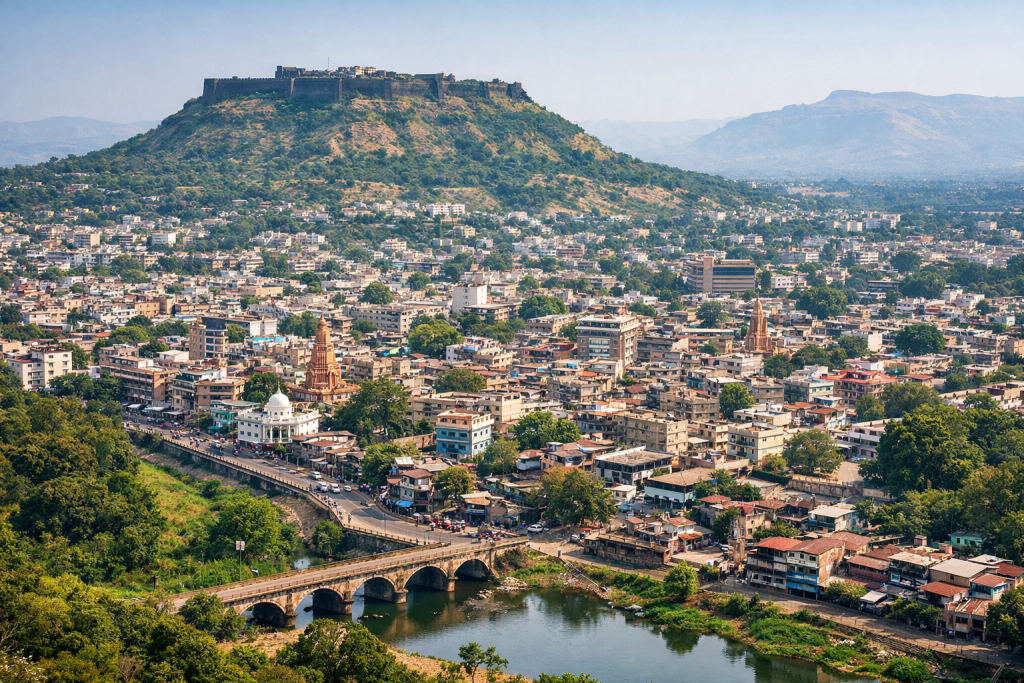
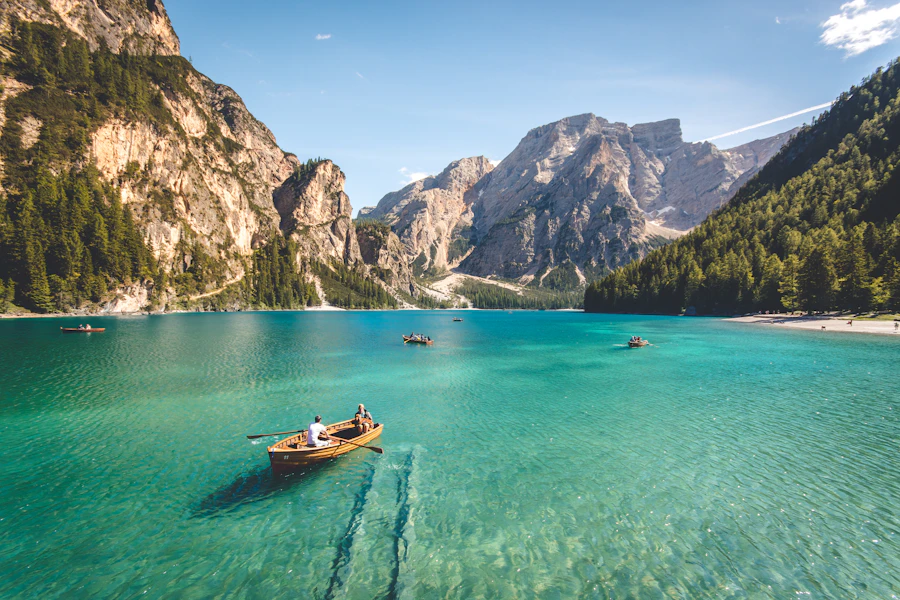
Nestled in the heart of Maharashtra, Satara is a city where nature and history meet in perfect harmony. Known for its scenic landscapes, lush green valleys, and majestic forts, Satara offers a serene escape from the hustle and bustle of city life. From the sparkling waters of Kaas Plateau to the tranquil beauty of Vajrai Waterfall, every corner of Satara tells a story waiting to be explored.
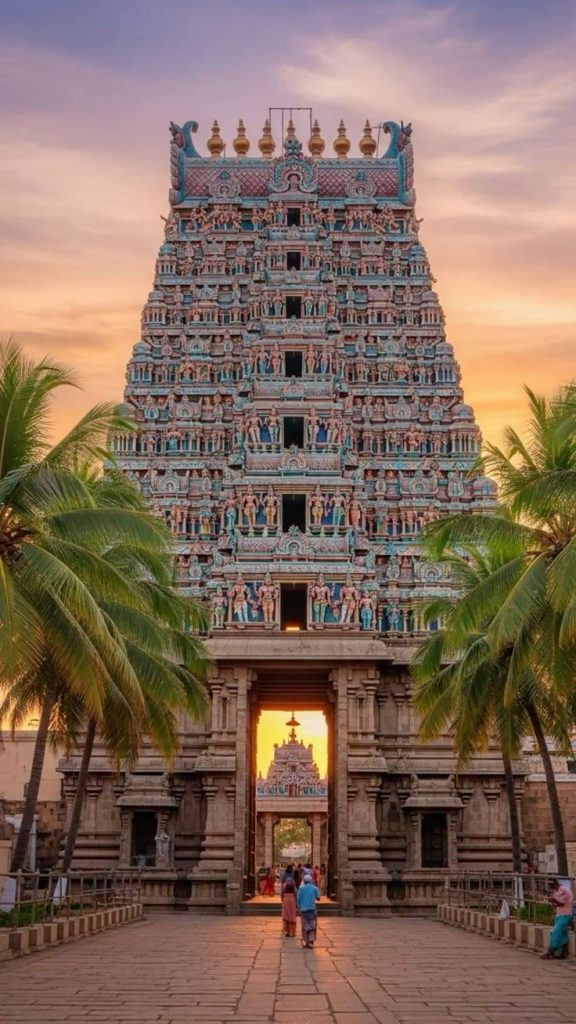
A Journey Through History Steeped in history, Satara has been a significant center since the era of the Marathas and beyond. The city is home to ancient forts, royal palaces, and historic temples that showcase the grandeur of its past. From the legendary Ajinkyatara Fort to the architectural marvels left by the Satavahana and Rashtrakuta dynasties, Satara preserves a rich cultural heritage that continues to inspire generations.
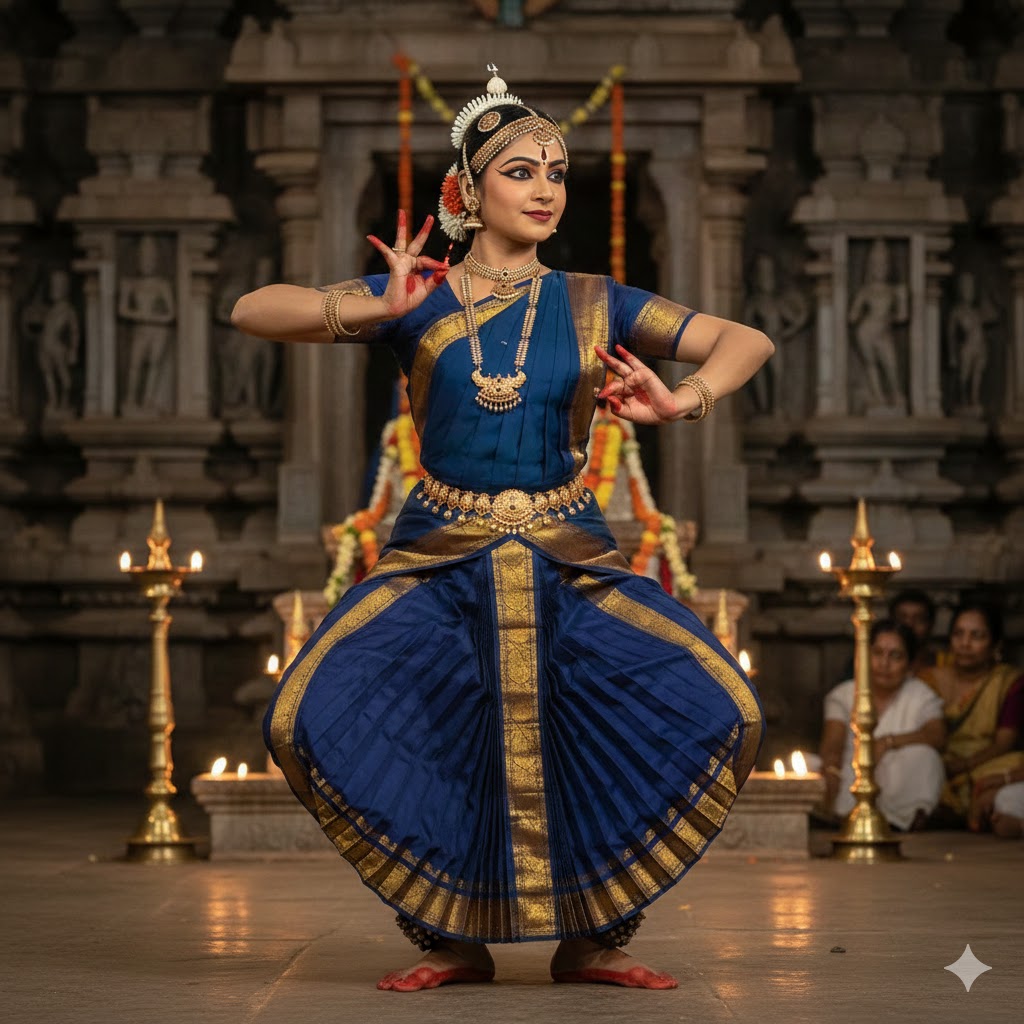
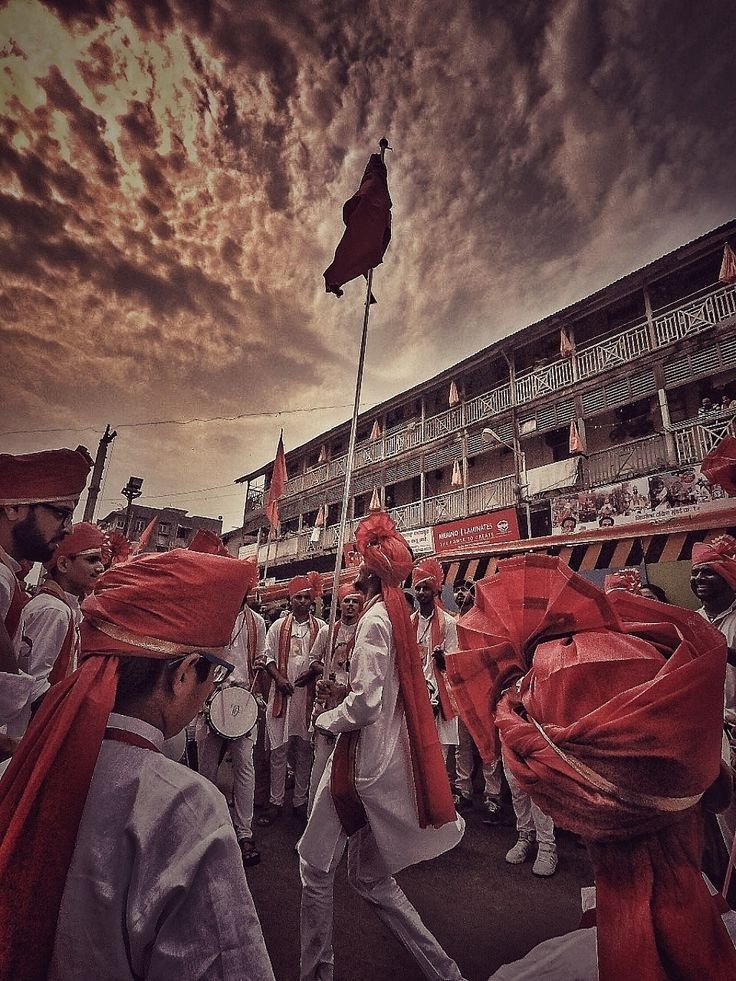
Culture, Festivals, and Local Life Beyond its natural beauty and historical treasures, Satara thrives with vibrant local life. The city celebrates its traditions through lively festivals, devotional rituals, and community gatherings, reflecting the warmth and spirit of its people. Satara is not just a place to visit; it’s an experience of culture, history, and nature coming together to create memories that last a lifetime.
Satara City – Overview
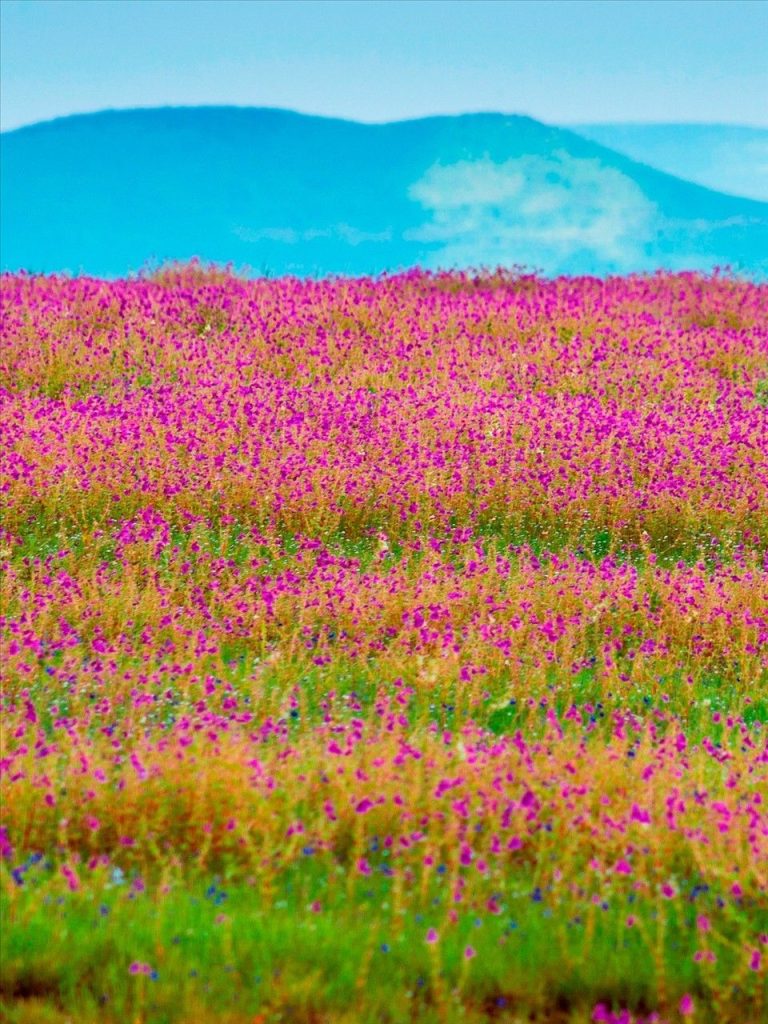
Satara, located in the western part of Maharashtra, is a city that beautifully combines history, culture, and natural splendor. Often referred to as the “City of Forts and Waterfalls,” Satara is nestled in the lap of the Western Ghats, surrounded by rolling hills, lush greenery, and picturesque landscapes. The city serves as a gateway to several scenic spots like Kaas Plateau, known for its vibrant seasonal flowers, and Vajrai Waterfall, one of the highest in the state.
Historically, Satara has played a significant role in the Maratha empire and is dotted with forts, palaces, and temples that reflect its rich heritage. Ajinkyatara Fort, an iconic landmark, stands as a testament to the city’s strategic importance in the past. The city also carries the legacy of prominent personalities like Chhatrapati Shahu Maharaj and freedom fighters who shaped its history.
Geography & Location
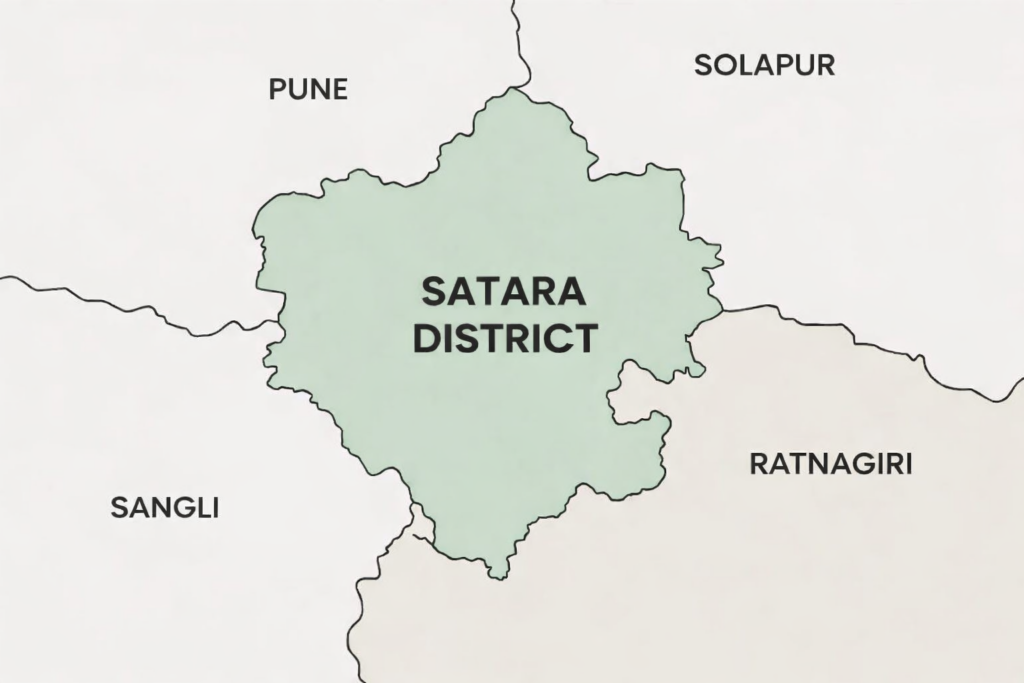
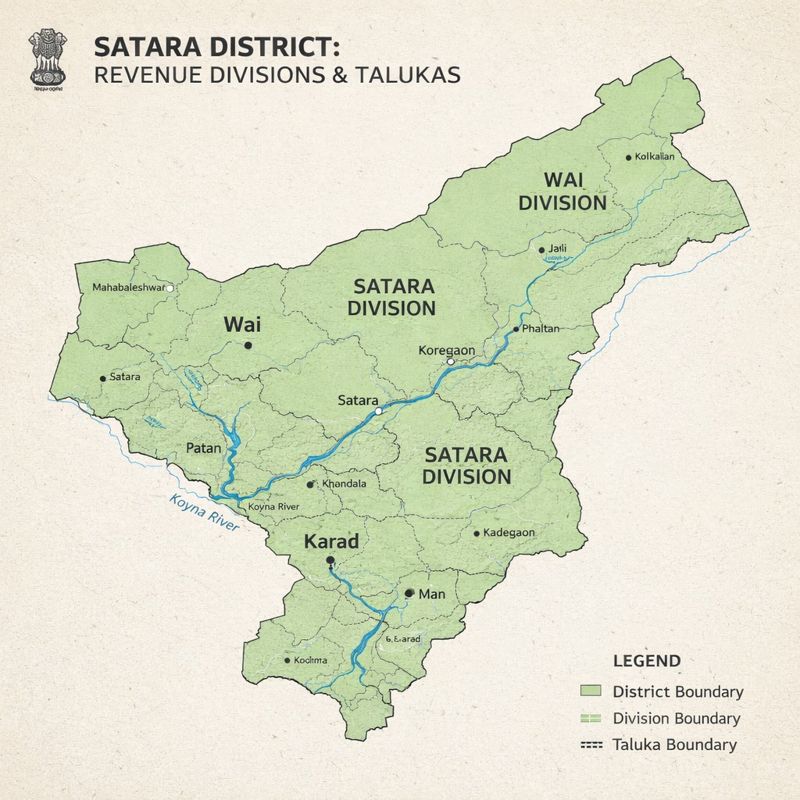
Satara District lies in the western part of Maharashtra and is bordered by:
Pune District to the north
Sangli District to the south
Solapur District to the east
Ratnagiri District to the west
The district features a diverse landscape that includes the rugged ranges of the Western Ghats, fertile river valleys, scenic plateaus, and historic hill forts. Satara is known for its pleasant climate, abundant rainfall in the western region, and rich agricultural belt in the east.
History & Cultural Heritage
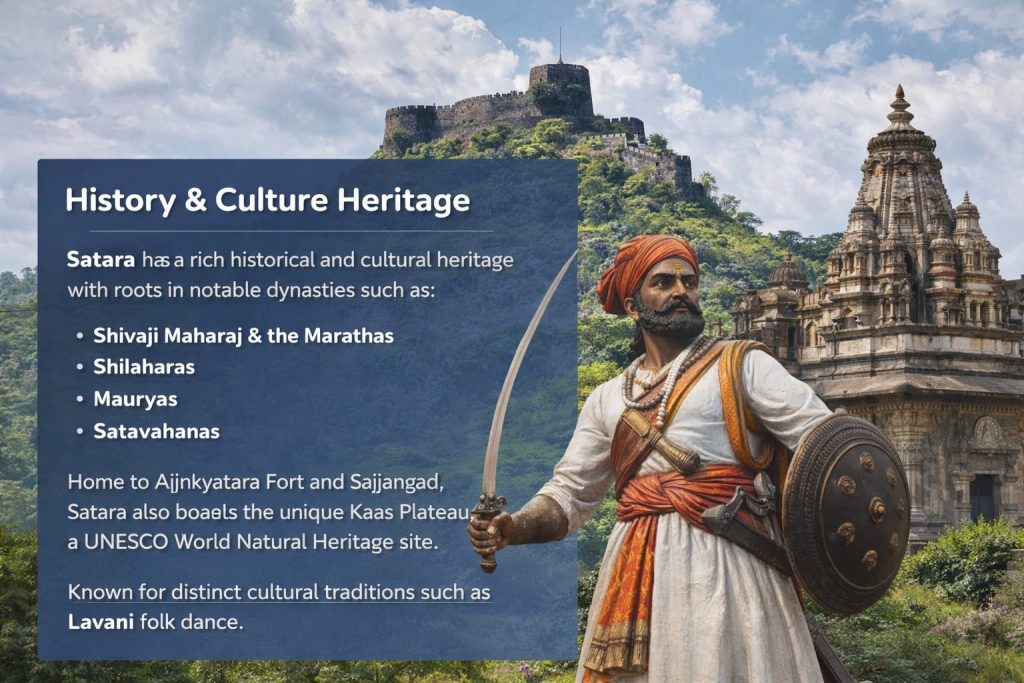
Satara district has a rich and glorious history, deeply rooted in ancient and medieval India. It was ruled by powerful dynasties such as the Satavahanas, Mauryas, Shilaharas, and Yadavas, who contributed to temple architecture, art, and regional development. These early influences shaped Satara into an important cultural center of Maharashtra.
Satara gained great prominence during the Maratha period under *Chhatrapati Shivaji Maharaj. Historic forts like Ajinkyatara, Sajjangad, and Vairatgad played a key role in defending the region. Sajjangad is also associated with **Sant Ramdas*, adding spiritual importance to Satara’s heritage.
The district is equally known for its vibrant culture and natural heritage. The *Kaas Plateau*, a UNESCO World Natural Heritage Site, showcases unique seasonal flowers. Folk traditions such as Lavani and Powada, along with festivals and customs, keep Satara’s cultural legacy alive.
Satara Climate & Seasons
☀️
Summer
Summers in Satara are warm and dry from March to June, with temperatures
ranging between 25°C and 38°C.
🌧️
Monsoon
Monsoon from June to September brings heavy rainfall, especially in the
Western Ghats, supporting agriculture.
❄️
Winter
Winters from November to February are cool and pleasant, with temperatures
between 10°C and 25°C.
🌾 The Backbone of Satara
Agriculture & Sugar Industry
Water Resources & Hydropower
Tourism & Heritage
Education & Connectivity
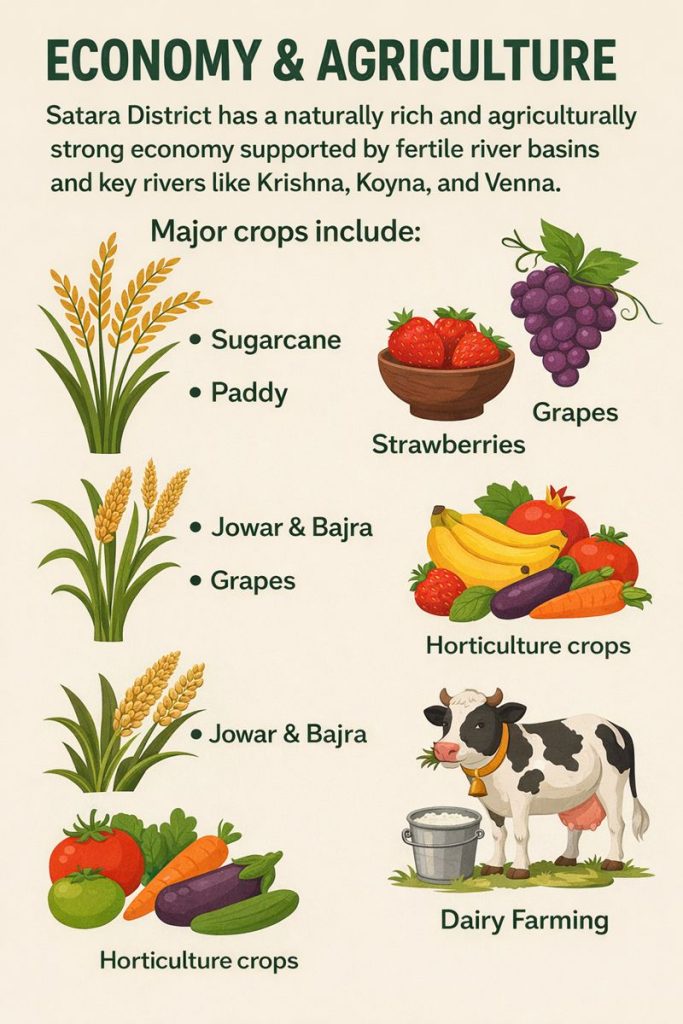
Satara District has a naturally rich and agriculturally strong economy in western Maharashtra.Fertile river basins and rivers like Krishna, Koyna, and Venna support diverse farming activities. Agriculture, tourism, and agro-based industries make Satara an important contributor to Maharashtra’s economy.
Agriculture Agriculture is the backbone of the district’s economy. The river basins, dams, and irrigation networks provide fertile soil and dependable water supply that support large-scale cultivation.
Major crops include:
• Sugarcane (primary commercial crop) • Paddy (in irrigated and high-rainfall areas) • Jowar and Bajra • Wheat • Pulses and oilseeds
The district is also known for strawberry cultivation in Mahabaleshwar–Panchgani region and expanding horticulture, which supply both local markets and major cities across Maharashtra.
Economic Strengths of Satara
Satara’s economy is built on a strong foundation of agriculture, industry, and tourism, making it one of the key economic districts in southern Maharashtra. Agriculture continues to play a vital role, with sugarcane, dairy farming, and agro-based activities supporting thousands of livelihoods across rural and semi-urban areas.
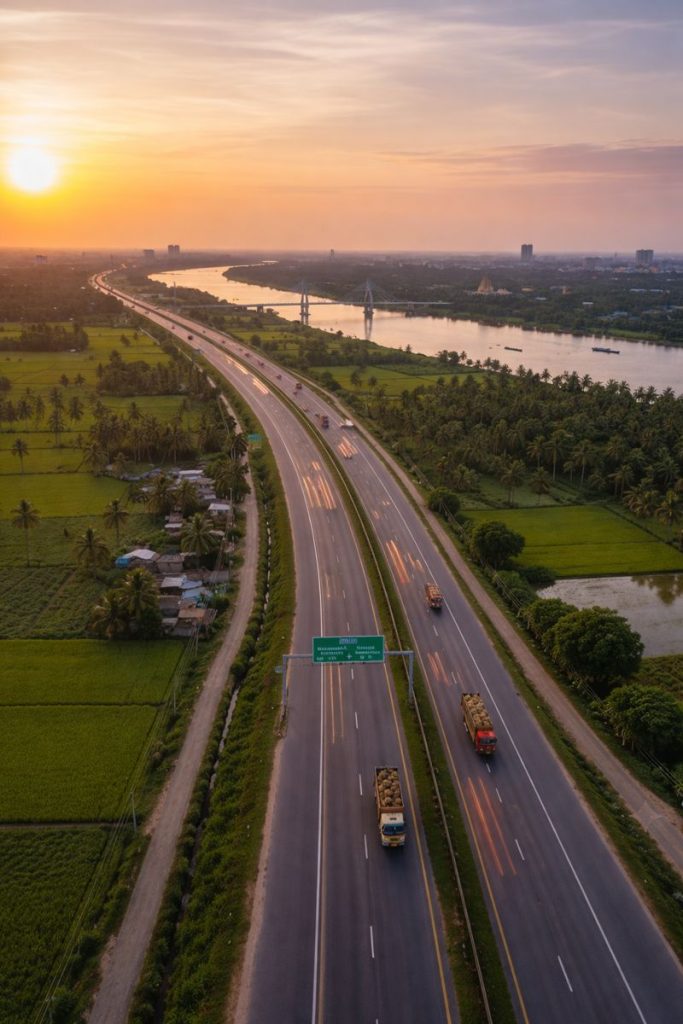
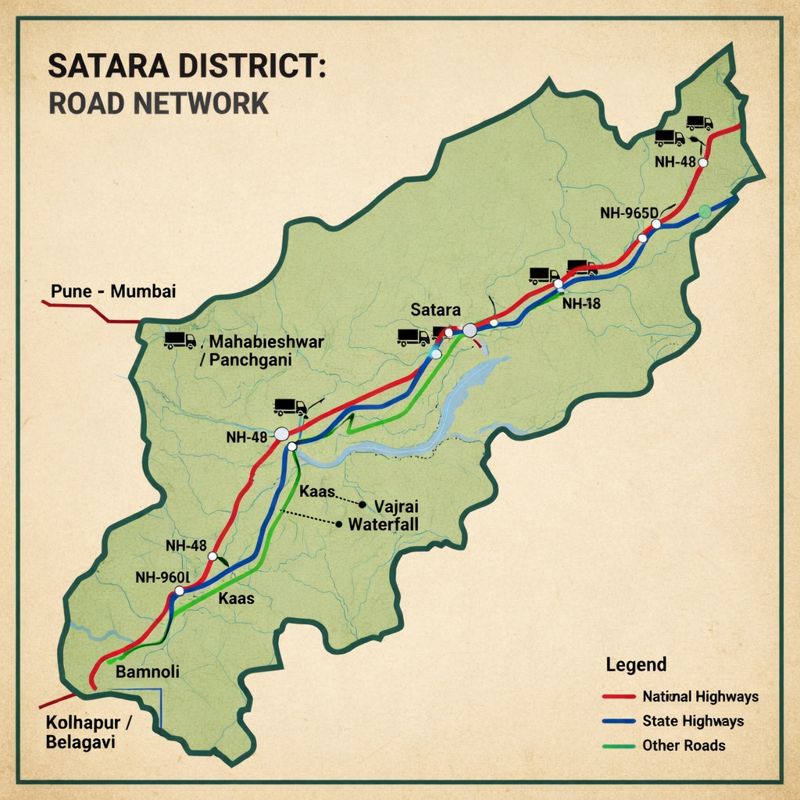
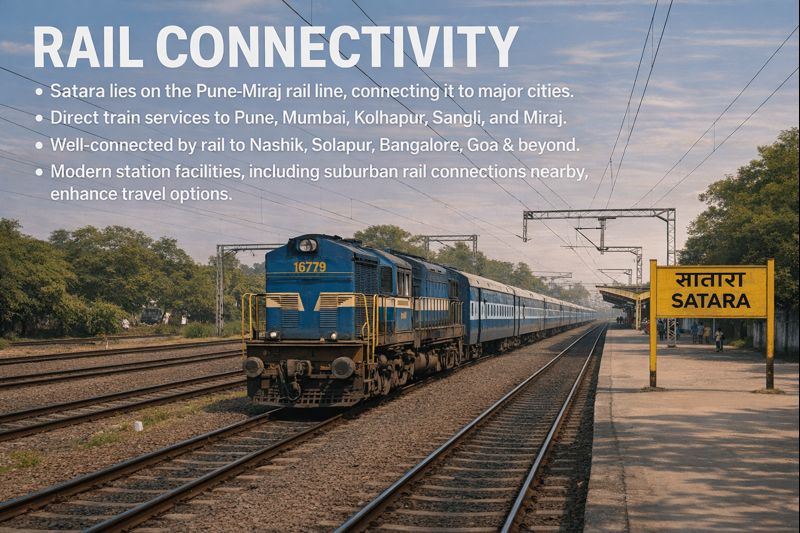
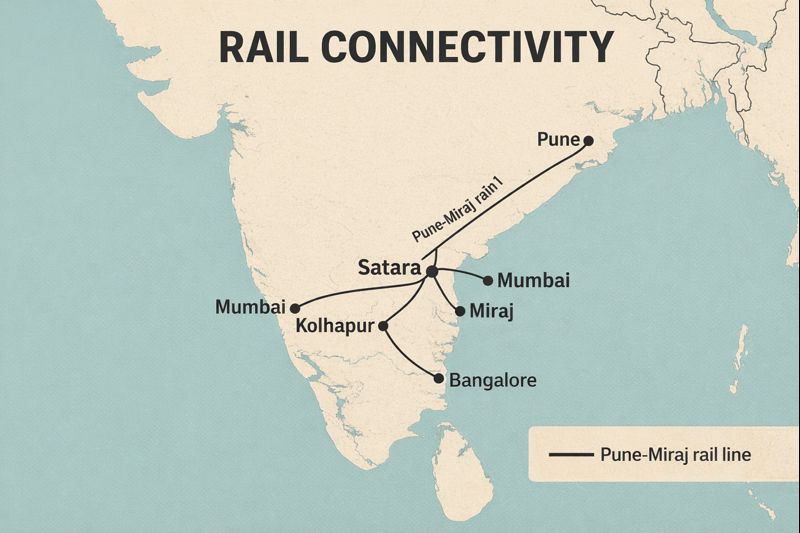
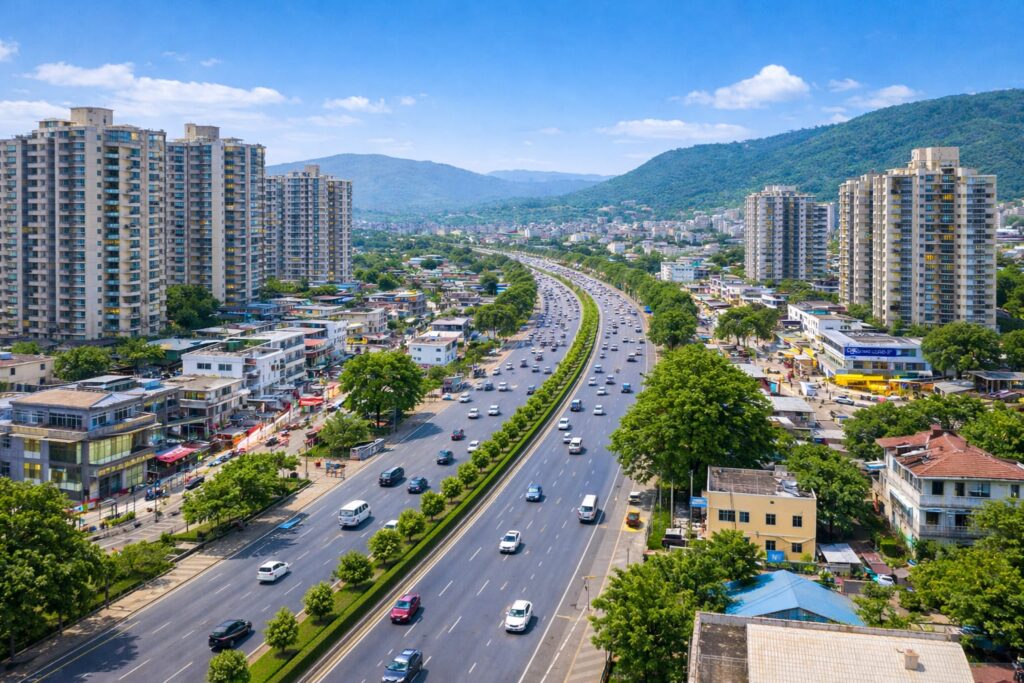
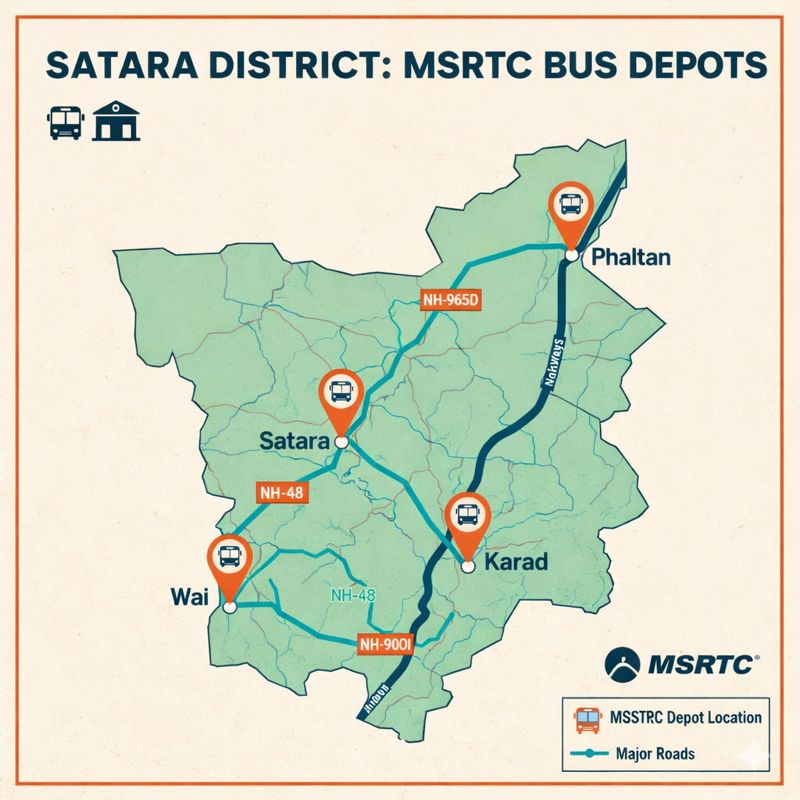
The district has witnessed steady industrial growth through MIDC zones, small-scale manufacturing units, food processing industries, and cooperative sugar factories. Its strategic location along major highway routes ensures smooth connectivity with important commercial cities like Pune, Kolhapur, and Bengaluru, strengthening trade and business activities.
Tourism further adds to Satara’s economic strength. Natural attractions such as Kaas Plateau, waterfalls, hill forts, and religious destinations draw visitors throughout the year. This growing tourist footfall supports local businesses, hospitality services, transport providers, and artisans, contributing significantly to the district’s overall development.Satara’s well-developed education system, cooperative institutions, and skilled workforce further strengthen its economic base. Continuous infrastructure development and government initiatives are paving the way for sustainable growth and future investment opportunities.
🎭 Culture & People – Satara
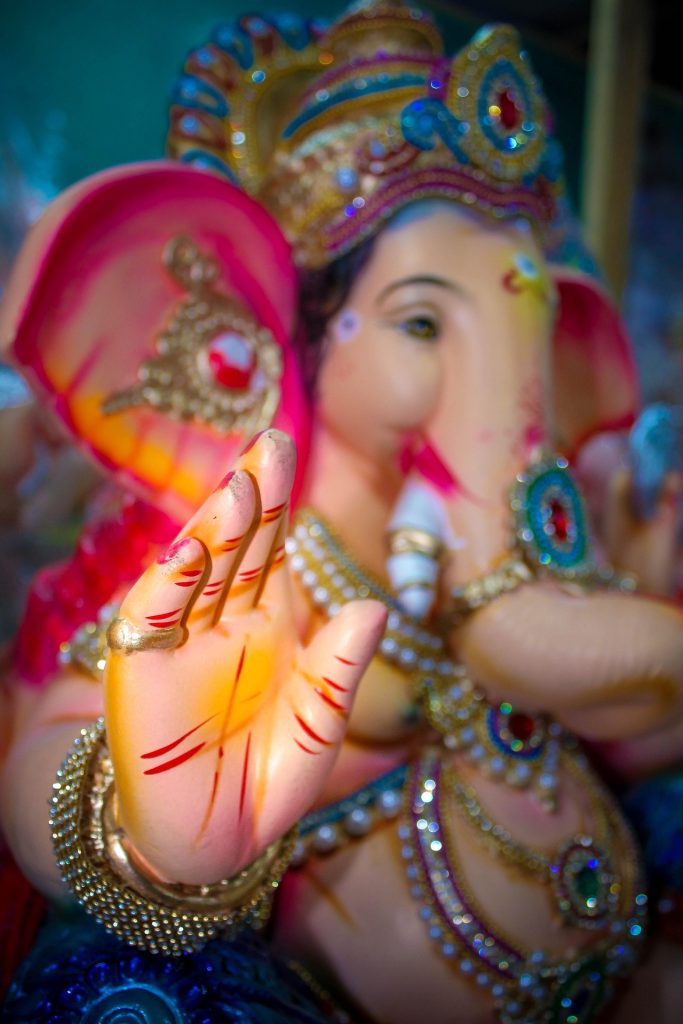
Satara is known for its rich cultural heritage and warm, welcoming people who deeply value tradition and community life. The city reflects a harmonious blend of Maratha history, religious devotion, and rural simplicity. Festivals like Ganeshotsav, Gudi Padwa, Diwali, and local fairs are celebrated with great enthusiasm and unity. Folk arts, traditional music, and cultural programs play an important role in everyday life. The people of Satara are known for their simplicity, discipline, and strong sense of social responsibility. Marathi is the primary language, and local customs are proudly preserved across generations. Education, sports, and social service are highly respected in the region. The influence of saints, freedom fighters, and historical leaders is still visible in local values. Community bonding and respect for nature define the lifestyle of Satara’s residents. Together, the culture and people of Satara create a peaceful, vibrant, and deeply rooted identity. Satara also has a strong tradition of wrestling, athletics, and outdoor sports, producing many talented sportspersons. Local food culture, with simple yet flavorful Maharashtrian cuisine, reflects the region’s agricultural roots. People here maintain a balanced lifestyle that respects both tradition and modern progress. Overall, the cultural spirit of Satara is shaped by pride in its heritage and a forward-looking mindset.